- Your cart is empty
- Continue Shopping


Product
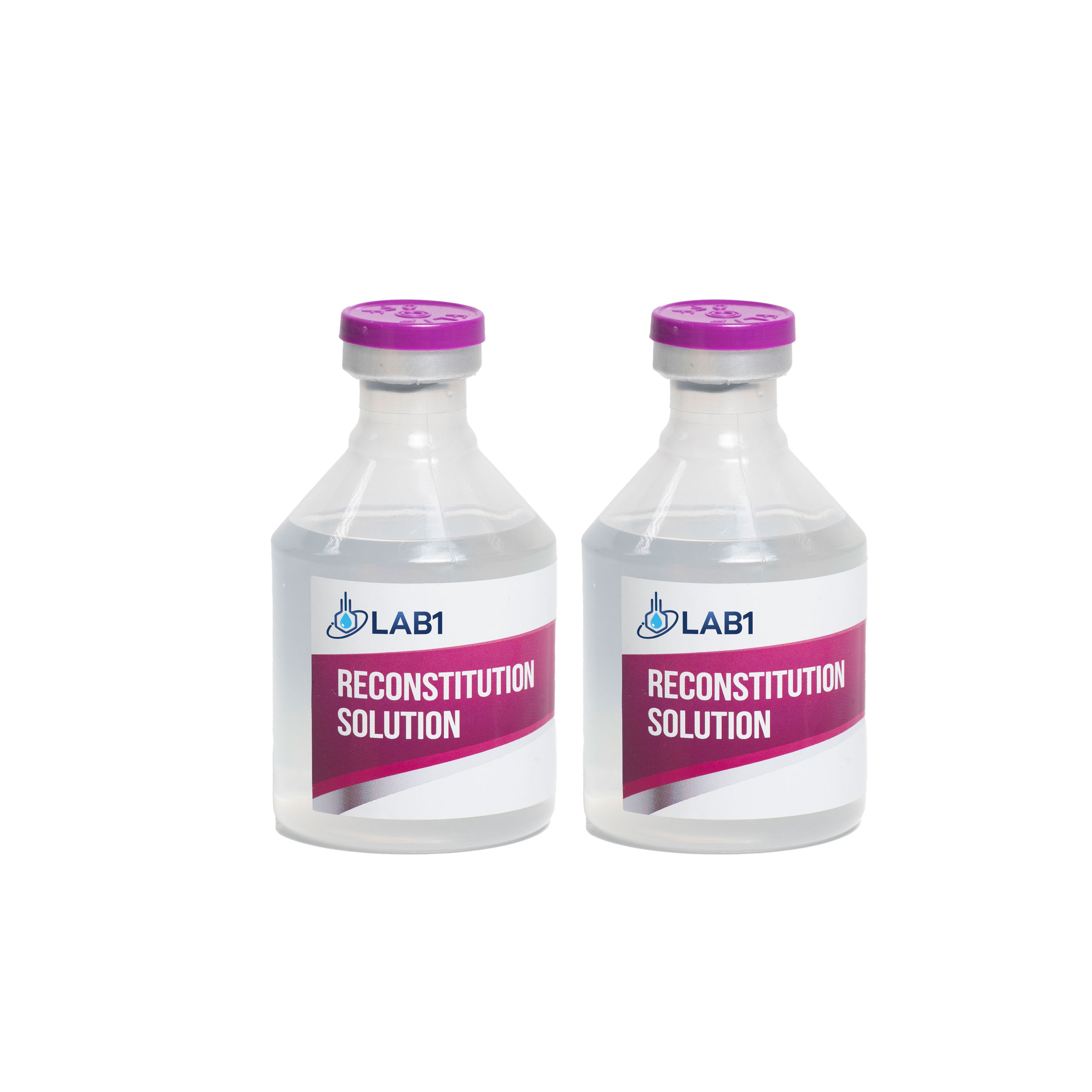
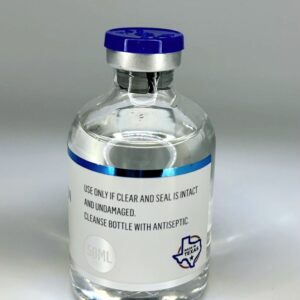
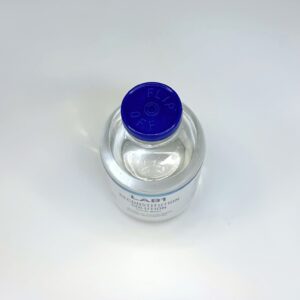
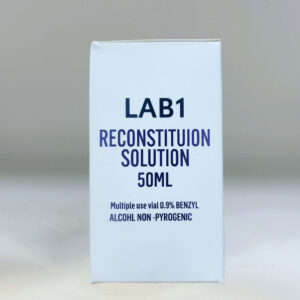
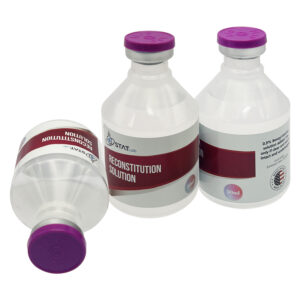
Reconstitution Solution 50ml / 2 Pack Plastic Vials
$21.99
499 in stock


Introduction
In modern scientific research, precision and reproducibility are the backbone of meaningful outcomes. Every experiment relies on the integrity of biomolecules, and one of the most overlooked yet essential components in this process is the reconstitution solution. These specialized solvents are designed exclusively for laboratory use to restore lyophilized (freeze-dried) peptides, proteins, enzymes, and biomolecules into a functional state. Unlike generic solvents such as distilled water or saline, research-grade reconstitution solutions provide sterility, chemical stability, and reproducibility, which are critical for generating consistent and valid results across laboratories (World Health Organization [WHO], 2019; National Center for Biotechnology Information [NCBI], 2023).
Why Reconstitution Solutions Matter in Research
Lyophilization preserves biomolecules by extending shelf life, but once reconstituted, their performance depends entirely on the solvent used. Improper reconstitution can cause peptide aggregation, protein denaturation, or enzymatic inactivity, leading to compromised results. (Forgie et al., 2024). Subtle variations in pH, ionic strength, or sterility can shift molecular behavior and reduce reproducibility. Reconstitution solutions provide a controlled chemical environment that protects biomolecules from degradation and enables reliable outcomes (Hou et al., 2025).
Applications of Reconstitution Solutions in Research
Reconstitution solutions are widely applied across life sciences, biotechnology, and analytical research:
- Peptide and Protein Research – Used to solubilize lyophilized peptides and proteins for structural, stability, and activity studies (WHO, 2019).
- Enzymology and Molecular Biology – Ensuring consistent enzyme kinetics, DNA–protein interaction assays, and reproducible laboratory workflows (NCBI, 2023).
- Analytical Chemistry – Providing solvent stability for spectroscopy, chromatography, and mass spectrometry applications (Regulatory Guidelines, 2025).
- Vaccine and Biologic Research – Maintaining conformational integrity of proteins during laboratory studies (Stability of Multi‑Peptide Vaccines, 2024).
Research Evidence Supporting Reconstitution Solutions
- It was investigated that in case of spray‑dried protein powders inappropriate reconstitution media caused insoluble aggregates formation, reducing solubility and leading to experimental variability. This highlights the need for validated solvents in protein stability research (Tao et al., 2023).
- A review published in Royal Society Open Science emphasized that peptide stability is highly sensitive to solvent conditions. Variations in ionic strength, pH, and sterility were identified as key factors influencing peptide aggregation, underscoring the importance of carefully engineered reconstitution solutions (Royal Society, 2017).
- Enzymology research has also demonstrated that solvent choice directly influences enzymatic activity and reproducibility. Studies showed that non‑validated solvents altered enzyme kinetics, whereas research‑grade solutions preserved activity across repeated assays, ensuring consistent results (Regulatory Guidelines, 2025).
- In spectroscopy and chromatography applications, uncontrolled solvents introduced background noise and variability. By contrast, research‑grade reconstitution solutions provided chemical consistency, resulting in cleaner spectra and more reliable chromatographic separations (NCBI, 2023).
- Stability studies on multi‑peptide vaccines confirmed that validated reconstitution protocols preserved protein structures necessary for accurate laboratory evaluation. This finding further illustrates the impact of solvent quality on reproducibility (Stability of Multi‑Peptide Vaccines, 2024).
- Protocols shared via PubMed Central demonstrated that gradual reconstitution of peptides from DMSO to aqueous buffers prevented precipitation and misfolding. This reinforces the importance of carefully designed solvent systems in protecting peptide structure during preparation (PubMed Central, 2023).
Best Practices for Handling and Storage
To maximize performance, reconstitution solutions should be handled with strict laboratory practices:
- Use aseptic techniques during preparation to prevent contamination (WHO, 2019).
- Store in sterile, sealed containers under controlled temperature and humidity (NCBI, 2023).
- Protect from light and temperature fluctuations to preserve chemical stability (Tao et al., 2023).
- Always refer to Safety Data Sheets (SDS) for laboratory compliance and safety information.
Quality and International Research Standards
Reconstitution solutions are tested under strict global standards to ensure reproducibility and transparency. Every batch undergoes analytical validation using High‑Performance Liquid Chromatography (HPLC) and Mass Spectrometry (MS) to confirm identity and purity. Certificates of Analysis (CoA) and sterility reports are included with each product, providing researchers with confidence in their experimental results (Regulatory Guidelines, 2025; NCBI, 2023).
Conclusion
Reconstitution solutions are essential laboratory tools that safeguard biomolecule stability and experimental reproducibility. By replacing generic solvents with validated products, researchers can minimize variability, strengthen data reliability, and advance their projects with confidence. Their role spans peptide solubility, enzymology, analytical chemistry, and vaccine research, making them indispensable in modern laboratories.
Why Choose StatPeptides.com
At Stat Peptide, we are committed to delivering research‑grade reconstitution solutions that meet the highest standards of purity and reproducibility. Each batch is validated through HPLC and MS testing and is provided with Certificates of Analysis and sterility validation. Our dedication to transparency and quality assurance makes us a trusted partner for laboratories worldwide. By choosing Stat Peptide, you are choosing reliability, reproducibility, and scientific integrity.
- Quality Assurance – HPLC and MS validated for purity and accuracy.
- Transparency – Certificates of Analysis and sterility validation provided with each product.
- Reliability – Trusted across molecular biology, biochemistry, and analytical sciences.
- Research‑Only Focus – Products exclusively for research use, not intended for human or animal application.
References
- Forgie, A. J., Pepin, D. M., Ju, T., Tollenaar, S., Sergi, C. M., Willing, B. P., et al. (2024). Over-supplementation with vitamin B12 alters microbe-host interactions in the gut leading to accelerated Citrobacter rodentium colonization and pathogenesis in mice. Microbiome, 11(21), 1–14. https://doi.org/10.1186/s40168-023-01461-w
- Hou, Z.-x., Li, W.-j., Pi, R., Wang, H.-w-x., Dai, M.-n., Ouyang, Y., & Su, Y. (2025). Causal links between gut microbiota and vitamin deficiencies: Evidence from Mendelian Randomization Analysis. Current Medical Science. Advance online publication. https://doi.org/10.1007/s11596-025-00038-y
- National Center for Biotechnology Information. (2023). Cyanocobalamin. PubChem Compound Summary. National Library of Medicine. https://pubchem.ncbi.nlm.nih.gov/compound/5311498
- Regulatory Guidelines for the Analysis of Therapeutic Peptides and Proteins. (2025). Journal of Peptide Science, 31(3), e70001. https://doi.org/10.1002/psc.3774
- Stability of Multi-Peptide Vaccines in Conditions Enabling Accessibility in Limited Resource Settings. (2024). International Journal of Peptide Research and Therapeutics, 30(1), 42. https://doi.org/10.1007/s10989-024-10620-Y
- Tao, Y., Chen, Y., Howard, W., Ibrahim, M., Patel, S. M., McMahon, W. P., Kim, Y. J., Delmar, J. A., & Davis, D. (2023). Mechanism of Insoluble Aggregate Formation in a Reconstituted Solution of Spray‑Dried Protein Powder. Pharmaceutical Research, 40, 2355‑2370. https://link.springer.com/article/10.1007/s11095-023-03524-x
- Factors Affecting the Physical Stability (Aggregation) of Peptide Formulations. (2017). Royal Society Open Science. https://royalsocietypublishing.org/doi/10.1098/rsfs.2017.0030
- Protocol for Reconstituting Peptides/Peptidomimetics from DMSO to Aqueous Buffers for Circular Dichroism Analyses. (2023). PMC. https://pmc.ncbi.nlm.nih.gov/articles/PMC10839526/
Safety Data Sheet will be available soon.
| Weight | 4.0 oz |
|---|---|
| Dimensions | 3.39 × 2.52 × 1.86 in |
Related products

Featured
Featured